Storm & Flash Flood Cleanup in Charlotte, NC
Tropical-storm rain and fast-rising creeks bring outside water into Charlotte homes, and outside water is contaminated. The mitigation team removes what it touched and dries the structure.
(888) 578-4720Get a Charlotte pro on the line for storm flooding- Category 3 flood water protocol
- Truck-mounted extraction
- 24/7 dispatch
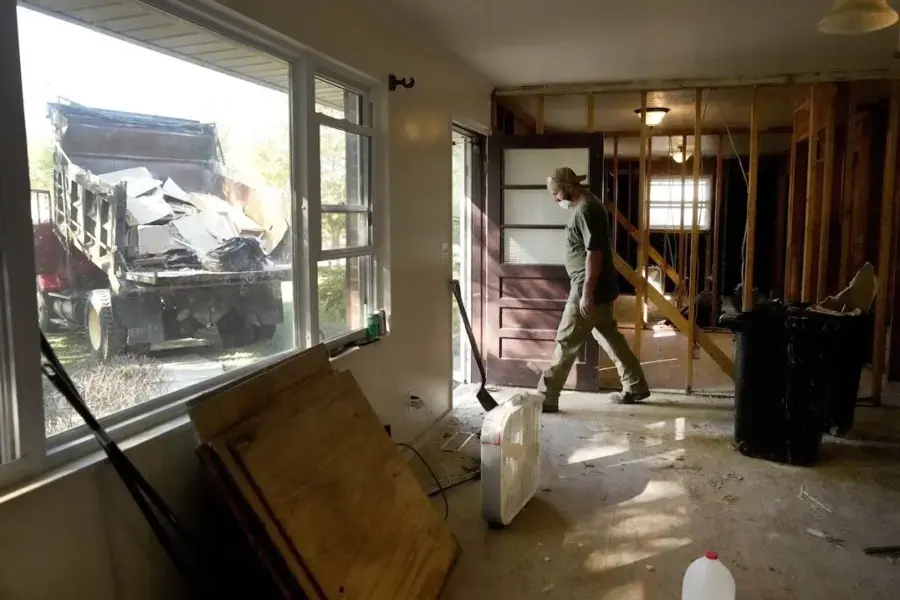
What to do first about storm flooding in Charlotte
- 1
Stay out of the water
Assume flood water is contaminated and may be near live wiring.
- 2
Shut off power
Only if the panel is dry and you can reach it without standing in water.
- 3
Document everything
Photograph the water line on walls and every damaged item.
- 4
Call for cleanup
Reach the 24/7 Charlotte restoration team and describe how high the water rose.
How storm flooding is handled in Charlotte, NC
Every job below follows the IICRC S500 drying standard. The record column is what ends up in the claim file.
- 01MapThe tech who does the walkthrough maps moisture with pinless meters and thermal imaging before any equipment goes down.Moisture map, category and class of loss
- 02ExtractThe extraction crew pulls standing water with truck-mounted extraction, so water leaves the building instead of moving rooms.Timestamped photos before any demolition
- 03DryThe drying team sets air movers to each room's evaporation load and runs LGR dehumidifiers, or desiccants for Class 4 materials.Daily psychrometric readings
- 04VerifyMost crews pull equipment only when wet materials read within 2 to 4 points of a dry reference material in the same building.Drying log that closes the claim file
What does storm and flash flood cleanup cost in Charlotte, NC?
In Charlotte, NC, storm and flash flood cleanup typically runs $3,000 to $15,000 or more, because Category 3 water requires removal of porous materials, antimicrobial treatment and full structural drying; square footage and water depth drive the rest.
Crawl space or one room
$3,000 to $6,000
- Extraction and mud removal
- Material removal
- Antimicrobial treatment
Several rooms
$6,000 to $10,000
- Flood cuts and insulation
- Containment and HEPA
- Structural drying
Whole lower level
$10,000 to $15,000+
- Full removal below the line
- Multi-room drying
- Complete claim file
Ranges move with the water category, the square footage, the material class and how fast drying started. For a planning number, try the Charlotte water damage cost calculator.
Charlotte sits inland, but it still catches the heavy rain from tropical storms and hurricane remnants moving up from the coast, along with short summer thunderstorms that can drop several inches in an hour. Urban creeks such as Little Sugar Creek, Briar Creek, Irwin Creek and McAlpine Creek rise fast, and red clay soil sends runoff toward low houses and crawl spaces. Charlotte-Mecklenburg Storm Water Services runs a floodplain buyout program along these creeks because of that history.
Why flood water is handled differently
Water that comes in from outside, whether from a creek, a street or surface runoff, is Category 3. It carries soil, sewage from overwhelmed lines and whatever it picked up on the way. That changes the job. Porous materials it touched, such as carpet, pad, drywall and insulation below the water line, get removed, not dried. The mitigation team extracts the water, removes those materials, cleans hard surfaces, applies an EPA-registered antimicrobial and then dries the structure.
What the cleanup includes
- Extraction of flood water and mud from floors, the crawl space or a lower level
- Flood cuts in drywall above the water line and removal of wet insulation
- Containment and HEPA air scrubbers where contaminated material is being removed
- Structural drying with air movers and LGR dehumidifiers, verified with daily readings
When storm water reaches the space under the house, the crawl space work is part of the same job. Wind-driven rain through the roof is a different loss, covered on the roof leak water damage page.
Storm water came inside? Stay out of it until power is off, then call.
Call (888) 578-4720 for storm flood cleanupSafety first after a flood
Flood water can hide sharp debris, open drains and live wiring. Keep children and pets out, wear boots and gloves if you must enter, and do not use generators indoors. Ready.gov and the CDC flood safety pages cover returning home safely, and FloodSmart.gov explains how flood coverage works.
Flood coverage is its own policy
Standard homeowners policies usually exclude rising surface water. Flood coverage typically comes from a separate flood policy. Coverage depends on your policy, so it is worth checking with your own insurer.
Where the Charlotte water damage restoration team works
The Charlotte restoration team covers the whole city, from Uptown, South End and Dilworth to Ballantyne, Steele Creek, University City and the Catawba side near Mountain Island Lake.
See every neighborhood and ZIP codeRelated water damage services in Charlotte
Storm and Flash Flood Cleanup questions for Charlotte homeowners
Short answers to the questions Charlotte callers ask most about storm flooding.
Talk to someone about the water nowIs creek or street flood water always Category 3?
Yes. Water entering from outside carries soil, bacteria and often sewage from overwhelmed lines, so it is handled as Category 3 from the start.
Can carpet be kept after a flood?
No. Carpet and pad touched by flood water are removed because they cannot be reliably cleaned. Hard surfaces such as tile and sealed concrete are cleaned and treated instead.
How high do they cut the drywall?
Usually a short distance above the highest wet point, often 2 to 4 feet, so any wicked moisture and all contaminated drywall come out and the cavity can dry.
Does homeowners insurance cover storm flooding?
Rising surface water is usually excluded from standard homeowners policies and handled by separate flood coverage, while wind-driven rain through a damaged roof may be treated differently. Coverage depends on your policy, so it is worth checking with your own insurer.
How long does drying take after a flood?
Once removal is done, most structures dry in three to seven days with dehumidifiers and air movers. Dense materials and crawl spaces can take longer.
What should I throw away after a flood?
Food, cosmetics and medicines that touched flood water, mattresses and upholstered items that soaked it up, and anything porous that cannot be cleaned. Photograph items before discarding them.
Storm and Flash Flood Cleanup in Charlotte? Get the drying started today.
Every hour of standing water pushes it deeper into subfloor, drywall and framing. The Charlotte restoration team works around the clock.