Ceiling Leak Water Damage in Charlotte, NC
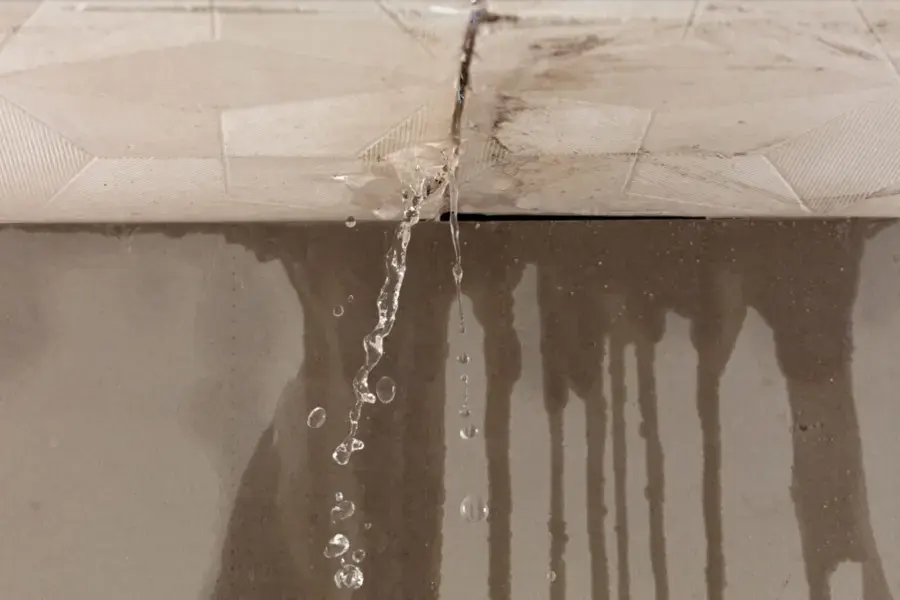
A stain or drip overhead usually starts at an upstairs bath, a laundry room or the unit above. Local restoration pros trace the source, drain the ceiling safely and dry the cavity.
(888) 578-4720Get a Charlotte pro on the line for a ceiling leak- Thermal imaging behind drywall
- Structural drying, not surface drying
- 24/7 dispatch
What to do first about a ceiling leak in Charlotte
- 1
Find the source above
Shut the fixture valve or the main if an upstairs line is leaking.
- 2
Kill the light circuit
Switch off power to the wet ceiling if the panel is dry.
- 3
Clear the room below
Move furniture and keep people out from under the stain.
- 4
Call for drying
Reach the 24/7 Charlotte restoration team before the drywall gives way.
How a ceiling leak is handled in Charlotte, NC
Every job below follows the IICRC S500 drying standard. The record column is what ends up in the claim file.
- 01MapThe tech who does the walkthrough maps moisture with pinless meters and thermal imaging before any equipment goes down.Moisture map, category and class of loss
- 02ExtractThe extraction crew pulls standing water with truck-mounted extraction, so water leaves the building instead of moving rooms.Timestamped photos before any demolition
- 03DryThe drying team sets air movers to each room's evaporation load and runs LGR dehumidifiers, or desiccants for Class 4 materials.Daily psychrometric readings
- 04VerifyMost crews pull equipment only when wet materials read within 2 to 4 points of a dry reference material in the same building.Drying log that closes the claim file
What does ceiling leak water damage cost in Charlotte, NC?
In Charlotte, NC, ceiling leak water damage cleanup typically runs $700 to $5,000, depending on the size of the wet area, whether drywall and insulation come down, how many rooms or units are involved and how long the leak ran before it was found.
Small stain, caught fast
$700 to $1,500
- Moisture map
- Cavity drying
- Daily readings
Drywall removal
$1,500 to $3,000
- Controlled draining
- Ceiling and insulation removal
- Dehumidification
Several rooms or units
$3,000 to $5,000+
- Multi-room drying
- Wall and floor checks
- Full claim documentation
Ranges move with the water category, the square footage, the material class and how fast drying started. For a planning number, try the Charlotte water damage cost calculator.
In Charlotte, a ceiling leak most often traces back to something above it: a toilet or tub supply in an upstairs bath, a second-floor laundry room, a water heater or air handler in the attic, or a neighbor's unit in an Uptown or South End building. Water spreads along the top of the drywall and through the joist bays before it shows, so the stain is usually smaller than the wet area.
Common sources
- Failed wax rings, supply lines and shower pans in upstairs bathrooms
- Second-floor washer hoses, a common layout in south Charlotte two-story homes
- Attic air handlers with clogged condensate lines, covered on the AC condensate leak page
- The unit above in condos and apartments, where one leak reaches several ceilings
How the ceiling is handled
The restoration team first finds and stops the source, then deals with any sagging drywall in a controlled way: a small hole drains trapped water into a container instead of letting the ceiling fall. The tech who does the walkthrough maps moisture above and around the stain with a thermal camera. Saturated ceiling drywall and wet insulation come down; drywall that is still firm can often be dried in place with air directed into the cavity. Dehumidifiers run until readings in the joists and drywall reach the drying goal.
If the leak is from outside the house, the roof leak page applies. Multi-unit buildings follow the commercial water damage approach when several units are wet.
Ceiling dripping or bulging? Turn off the light circuit in that room and call.
Call (888) 578-4720 about the ceilingElectrical safety overhead
Water that reaches a ceiling light or fan box is a shock and fire hazard. Switch that circuit off at the panel if the panel is dry. The Consumer Product Safety Commission and Ready.gov both cover electrical safety at home.
A sagging ceiling can drop suddenly
Wet drywall is heavy. Keep everyone out from under a bulge, move furniture away and let the response team drain it.
Where the Charlotte water damage restoration team works
The Charlotte restoration team covers the whole city, from Uptown, South End and Dilworth to Ballantyne, Steele Creek, University City and the Catawba side near Mountain Island Lake.
See every neighborhood and ZIP codeRelated water damage services in Charlotte
Ceiling Leak Water Damage questions for Charlotte homeowners
Short answers to the questions Charlotte callers ask most about a ceiling leak.
Talk to someone about the water nowWhy is the stain small but the ceiling still wet all around it?
Water spreads across the top of the drywall and along joists before it soaks through at one low point. A thermal camera and meters show the real wet area.
Should I poke a hole in a bulging ceiling?
Only if it is about to fail and you can do it safely with a bucket underneath and the power off. The safer choice is to keep people clear and let the crew drain it in a controlled way.
Can the ceiling be dried without replacing it?
Often, when the drywall stays firm and the water was clean. Sagging, crumbling or contaminated drywall is removed.
What if the leak came from the condo above?
Both units get documented and dried. Building management and each owner's insurer sort out responsibility, so photos and readings from both units matter.
Is a ceiling leak covered by insurance?
Sudden leaks from plumbing are commonly treated differently from slow, long-term leaks. Coverage depends on your policy, so it is worth checking with your own insurer.
How long does a wet ceiling take to dry?
A small area often dries in two to four days. Larger areas with wet insulation or plaster ceilings in older homes take longer, and readings decide.
Ceiling Leak Water Damage in Charlotte? Get the drying started today.
Every hour of standing water pushes it deeper into subfloor, drywall and framing. The Charlotte restoration team works around the clock.